Read
Read  Watch
Watch  Listen
  Comment

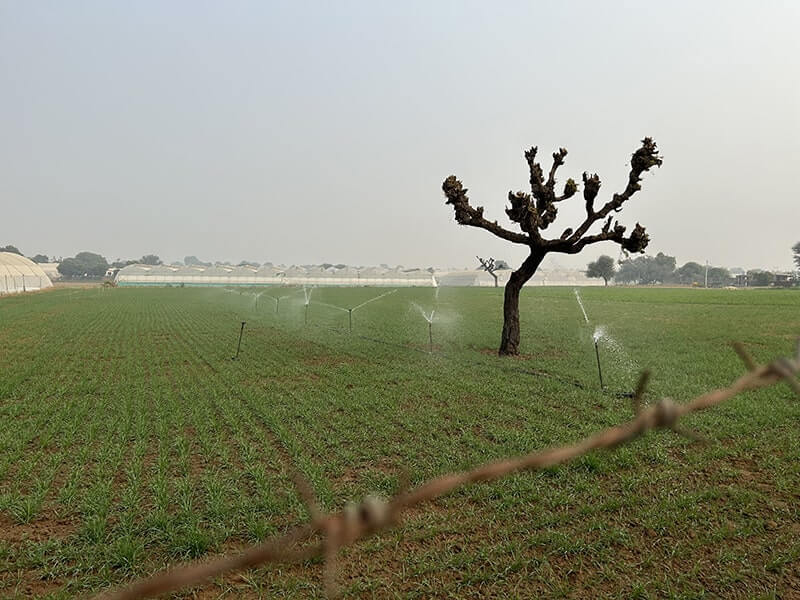
The 500-odd farmers of Gurha Kumawatan, a village in arid Rajasthan, are now millionaires thanks to polyhouse farming. Their hard work, innovation and unlimited ambition offers a path to prosperity for others in India.







The Arapetta Estate’s tea has a unique character, floral notes due to its location and the traditional processing methods perfected over decades.
 Tina Freese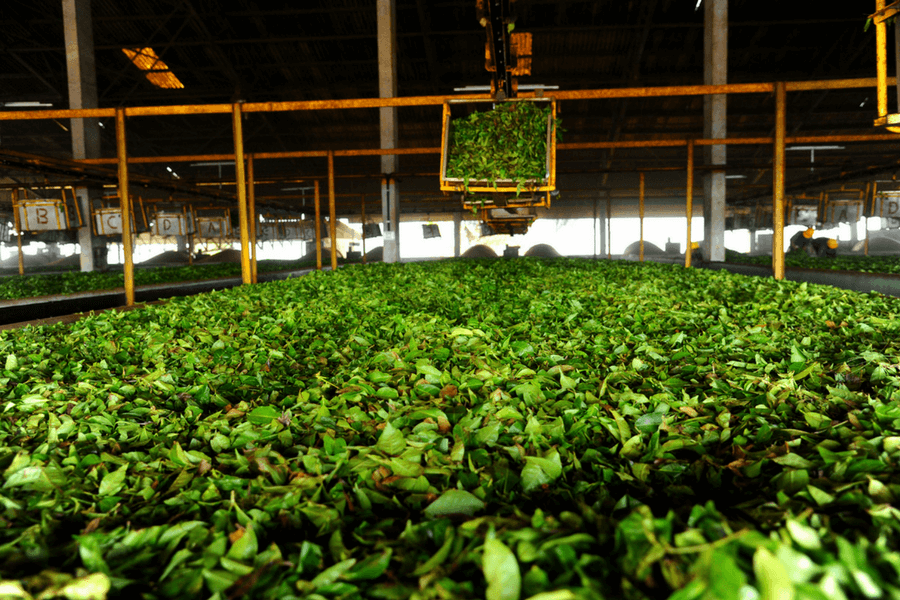
For Indians, tea is not just a beverage, it is a ritual, a conversation maker, and a lifestyle. The concoction helps us tide through sleepy mornings and tiring afternoons. However, every once in a while, a tea comes along that reminds us why this humble drink is an artform in itself.
From the lush hills of Wayanad, Kerala, the 100-year old Arrapetta Estate’s tea is gathering international acclaim. The estate, operated by Harrisons Malayalam, grows tea that recently won the gold medal at the North America Tea Competition.
“The Arapetta Estate’s tea has a unique character, floral notes due to its location and the traditional processing methods perfected over decades,” says Cherian George, CEO and Whole-time Director at Harrison Malayalam.
The tea is not mass produced and enjoys a neutral character with a balance between flavor and body, making it versatile and easy to blend with floral or herbal infusions.
The Tea behind the tea
The success of the Arapetta Estate comes from a combination of things which include a hard working team of tea planters and latest technology.
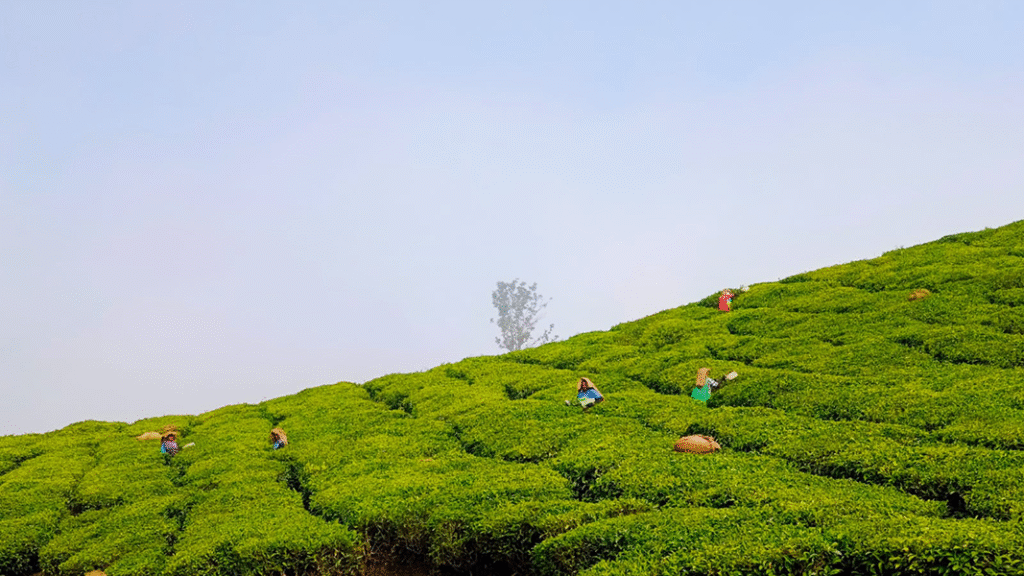
“Tea plucking depends heavily on weather and timing. We now use shoot prediction models and weather stations to ensure we harvest at the optimum stage,” George explains. *By combining experience with digital precision, the company ensures that every leaf is plucked at the perfect moment, neither too young nor too mature to bring out the tea’s best qualities.
The estate works directly with 750 workers, 60% of which are women. “They receive equal remuneration and full statutory benefits,” says George.
Beyond its own estate, Harrison Malayalam partners with nearly 600 small farmers, offering fair prices and transparent trade. “We have a pricing mechanism that ensures 58–60% of the factory price goes back to the farmer,” George says.
Better quality fetches them higher prices, improving their income.”This long-standing relationship of trust and shared growth has built a loyal community of growers,” he adds.
Harrisons Malayalam exports to the UK, Germany, Italy, Iran, and Georgia, among others. With this latest recognition, the company hopes to break into the US’s niche speciality tea market.
To ensure that the best quality reaches these markets, the company follows ethical farming standards and has been repeatedly certified by the Rainforest Alliance, Fairtrade organizations, and ISO for its safety and environmental compliance.
“Since the tea is grown in open fields, it’s exposed to weather variations, pest pressure, and diseases, especially during the monsoon and wet seasons. To address this, we’ve established a clear protocol and standard operating procedure (SOP) to take proactive preventive measures before the season begins,” explains Cherian.
Besides exporting the tea, the company also sells the CTC version of the tea to brands like Tata Consumer Products and Wagh Bakri Tea Group.



The 500-odd farmers of Gurha Kumawatan, a village in arid Rajasthan, are now millionaires thanks to polyhouse farming. Their hard work, innovation and unlimited ambition offers a path to prosperity for others in India.