Read
Read  Watch
Watch  Listen
  Comment
The 500-odd farmers of Gurha Kumawatan, a village in arid Rajasthan, are now millionaires thanks to polyhouse farming. Their hard work, innovation and unlimited ambition offers a path to prosperity for others in India.







Working closely with tribal farmers, this Maharashtra-based collective is saving native seeds from extinction
 Tina Freese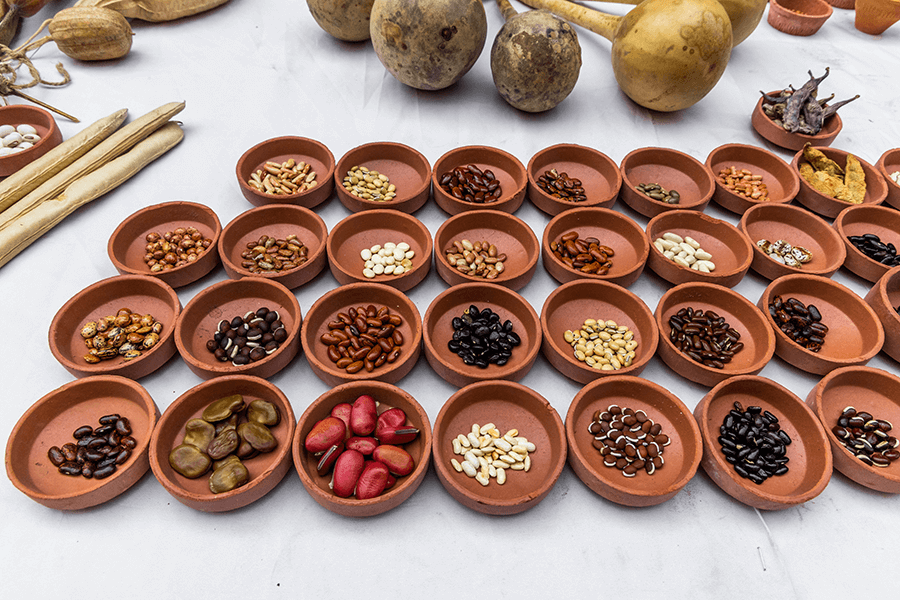
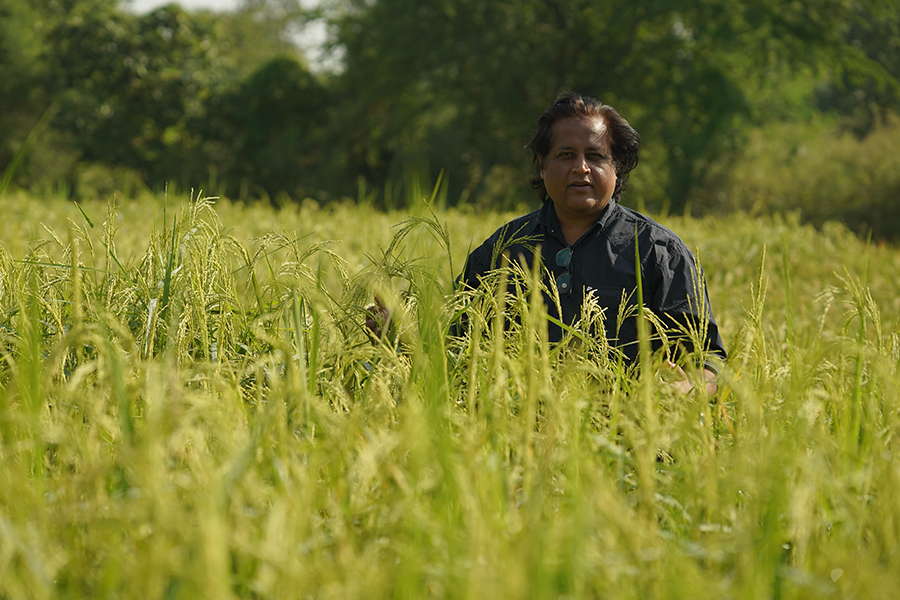
Trekking through the hills of Shyadari in Maharashtra, besides the stunning views, Shailesh Awate, the co-founder of OOO Farms, always looked forward to enjoying the local food.
For over a decade, Shailesh noticed a change in the grains served to him. “The food tasted different and it got me intrigued,” he says. Investigating, he found that tribal farmers in the regions had switched from growing native or traditional seeds to hybrid seeds.
“I understood the difference and the catastrophe of losing our native varieties. That’s when we began our search for them.” says Shailesh.
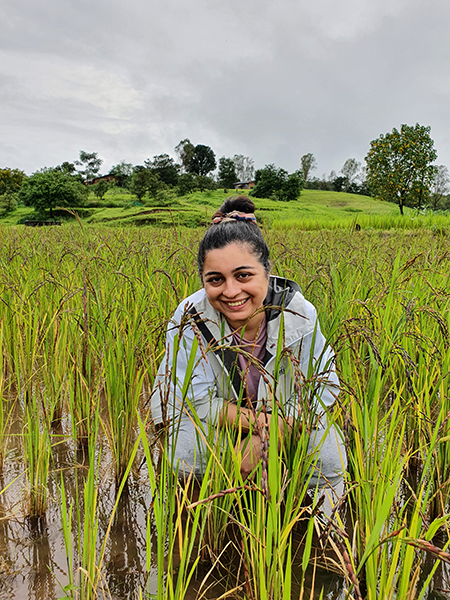
This loss felt more personal to Shailesh and he decided to go on a mission to save native seeds. He planted the seeds of OOO Farms with his co-founder Shikha Kansagara almost a decade ago and has saved 4357 native varieties of rice, 747 varieties of maize, 465 varieties of Wheat, and a lot more.
What are native seeds?
Native seeds are seeds from plants that have naturally evolved and adapted over thousands of years to a specific region’s soil, climate, and ecosystem without human interference or genetic modification.
They are essentially the original, naturally occurring varieties of crops unlike modern hybrid or genetically modified seeds, which are bred in labs for higher yield or specific traits.
A testament to ancient eating habits, losing native seeds means losing nutrition. “Take rice, for example, some are flood-tolerant, drought-tolerant, pest-resistant, and even adaptable to changing climates. You don’t find that kind of resilience in hybrid varieties; they may claim to offer it, but from my own experience, that’s rarely the case,” explains Shailesh.
These crops are also regenerative in nature. “When you buy 1 kg of seeds and sow them, you get a good harvest but the problem is, you can’t use that produce as seed for the next season. You have to go back to the market and buy seeds again. These seeds aren’t regenerative.”
When farmers lose native seeds, they also spend more on repurchasing hybrid seeds every season increasing their cost.
Going back to the roots
Shikha and Sailesh have worked together for years and have collaborated with thousands of farms to help them switch back to native seeds.
“Convincing the farmers, especially in Gujarat, was not easy. They’ve been growing a certain variety and getting a certain price for it, even though it’s nowhere close to the minimum selling price, some farmers in South Gujarat got as little as ₹5 per kg for the rice they sell to traders,” says Shikha.
So, the first thing the duo did was to establish a board of farmers who could decide their own price. They started distributing native seeds free of cost.
“When they realized the seeds were free, their first hesitation disappeared. Then we encouraged them to start small, to grow these varieties on a small patch of land instead of their entire field. That way, even if something went wrong, they wouldn’t feel like they’d lost everything. That’s how the shift slowly began,” Shikha recounts.
OOO Farms also established three seed banks to preserve thousands of varieties of native seeds.
“Most of these seeds are found with the poorest farmers, the ones who can’t afford to buy seeds from the market. Often, they turn out to be the last farmers still growing that variety, or it might even be the last year they’re cultivating it. So whenever we collect a seed, we immediately analyze it and record its passport data, where it came from, its name, and its origin,” Shikha explained.
They also organize a annual Wild Food Festival to spread awareness about native seeds and wild foods. Wild foods are plants, fruits, roots, mushrooms, greens, and other edible items that grow naturally in forests, grasslands, or uncultivated lands, without being planted, fertilized, or managed by humans.
They are collected by local or tribal communities and form an important part of traditional diets.
“The whole idea behind the Wild Food Festival was to show consumers that there is food beyond what they usually know, especially wild foods. We offer 10 course meals for people to taste and enjoy, along with dialogues led by experts from different fields. The festival isn’t just for consumers but also students, future chefs, and all stakeholders leave with more knowledge than they came in with.” says Shikha.
To ensure farmers get the true value of their produce and to bring back nutritious food to urban plates, they sell native varieties of rice, maize, wheat, and more on their website.


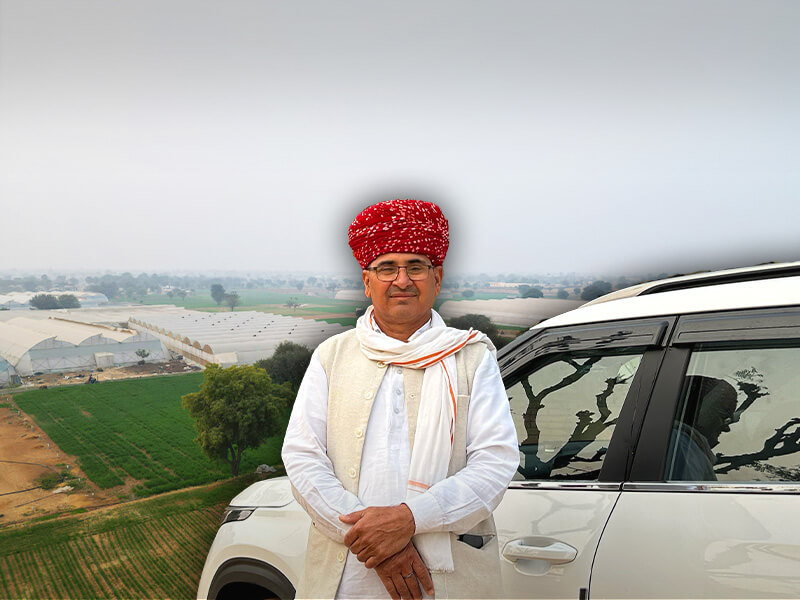
The 500-odd farmers of Gurha Kumawatan, a village in arid Rajasthan, are now millionaires thanks to polyhouse farming. Their hard work, innovation and unlimited ambition offers a path to prosperity for others in India.